


Annual Furnace Maintenance Checklist for Homeowners — Practical Tune‑Up Steps to Keep Your Home Warm and Efficient
Keeping your furnace in good shape makes your home safer, more comfortable, and cheaper to heat. This easy-to-follow annual checklist walks homeowners through the essential maintenance tasks to keep a furnace running reliably. Regular tune‑ups extend equipment life, improve energy efficiency, and help avoid surprise repairs during the coldest months. Below you’ll find how often to check your system, the key inspection steps, what a professional tune‑up includes, winter prep tips, available financing options, and other services that improve furnace performance.
This guidance is written for typical residential systems and is aimed at helping homeowners understand what they can reasonably do themselves and when to call a qualified technician. Follow the checklist and notes here to create a record of maintenance, which helps with warranty claims, resale value, and safer operation through heavy-use months.
How often should you schedule annual furnace maintenance?
For reliable performance and a longer lifespan, plan a professional check at least once a year—usually before the heating season starts. Skipping regular maintenance can reduce efficiency, raise energy bills, and increase the chance of a breakdown when you need heat most.
In addition to the annual professional visit, set up a simple homeowner routine: inspect the system visually once a month, check the filter status, and listen for unfamiliar noises. If your furnace is older or you live in a high-use household, consider semi-annual professional visits to catch issues earlier.
What inspection intervals do we recommend?
Ideally, have your furnace inspected annually before winter. You might add a quick seasonal check if you notice anything unusual. Signs that warrant an extra inspection include strange noises, uneven heating, or a sudden jump in energy costs.
Make a maintenance calendar with reminders for filter changes, thermostat battery checks, and scheduling the professional tune‑up. Keeping a short maintenance log (date, work performed, technician notes) helps you track performance changes over time and can save money by preventing repeated service calls for the same issue.
How does routine maintenance prevent breakdowns?
Routine maintenance catches small problems before they become big ones. Cleaning, adjusting, and inspecting parts reduces wear and tear and lowers the risk of unexpected failures—so your heat stays on when it counts.
For example, restricted airflow or a dirty burner can force components to run longer or cycle more frequently, which accelerates wear. Regular checks help maintain correct airflow, flame stability, and control settings so components experience less stress and last longer.
What are the key steps in a complete furnace inspection?
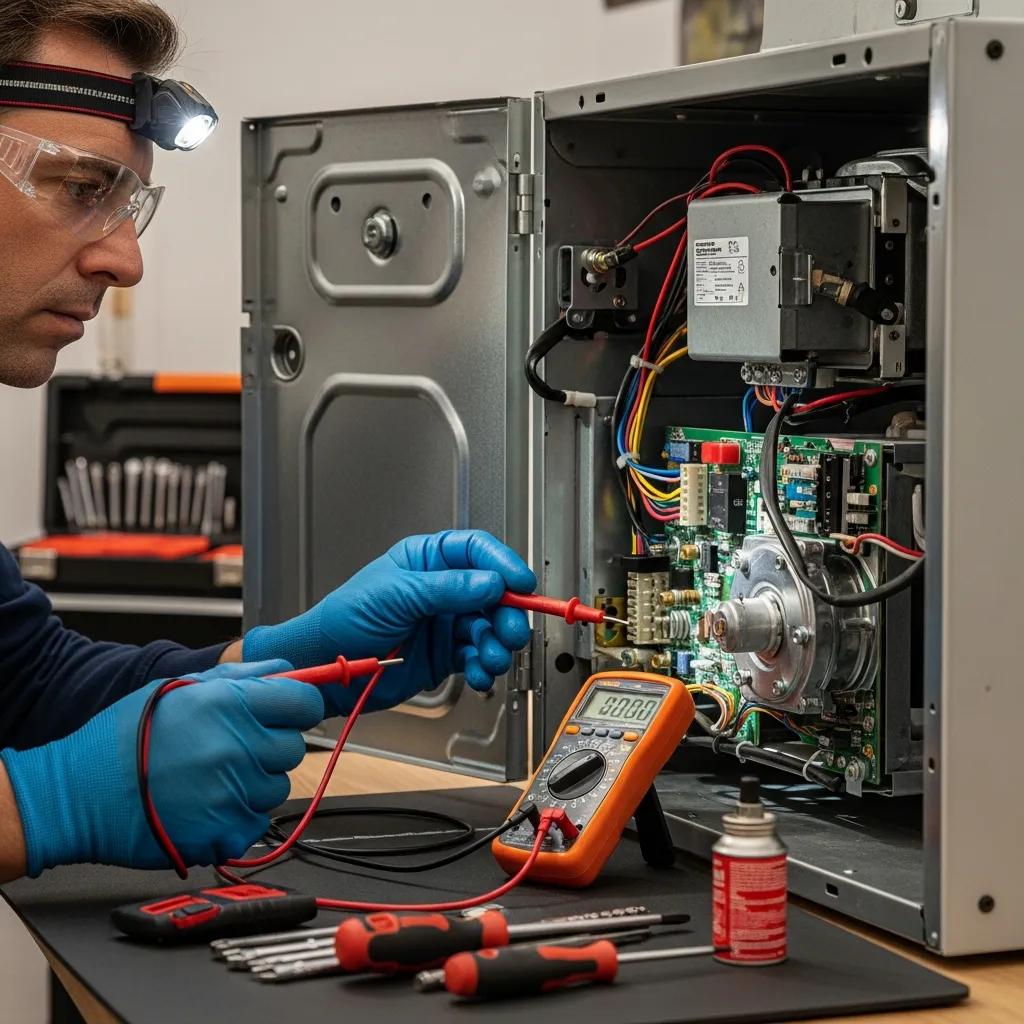
A full inspection covers safety, airflow, and system efficiency. Knowing these steps helps you understand what a technician does and what you can check between visits.
Below are common elements included in a comprehensive inspection. Some items are suitable for homeowners (visual checks, filter replacement), while others require trained technicians (combustion analysis, heat exchanger inspection).
- Visual inspection of the furnace cabinet and surrounding area — look for corrosion, water stains, or debris that could affect operation.
- Filter check and replacement — confirm correct size, MERV rating, and installation direction (airflow arrow).
- Burner and pilot/ignition inspection — verify clean burners and stable ignition for a steady flame.
- Heat exchanger check — technicians look for cracks, corrosion, or other damage that can cause safety issues.
- Blower assembly and belt inspection — clean blower wheel and check motor mounts, belts, and pulleys where applicable.
- Electrical connections and controls — tighten loose connections and test limit switches and safety controls.
- Vent and flue inspection — ensure proper draft, clear venting paths, and that exhaust components are intact.
- Thermostat calibration and function testing — verify setpoints and control communication with the furnace.
- System run test — observe system operation through a full cycle to detect abnormal noises or performance.
Some technicians also recommend examining related systems such as humidifiers, air cleaners, or zoning controls during the visit so that the whole heating system is optimized rather than just the furnace itself.
How to replace furnace filters for best performance
Filter replacement is one of the simplest and most effective tasks you can do. Check filters monthly and replace them at least every three months—more often if you have pets, allergies, or heavy dust. Clean filters improve airflow and reduce strain on the blower motor, which saves energy.
When choosing a filter, note the size printed on the old filter and match it exactly. Consider the MERV rating: a moderate rating balances filtration and airflow for most homes. Very high-MERV filters can restrict airflow unless the system is designed for them, so consult your technician if you plan to upgrade filtration.
- Turn off the furnace power before changing the filter.
- Install the filter with the airflow arrow pointing toward the furnace.
- Write the installation date on the filter frame to know when to replace it.
- Reusable or washable filters require regular cleaning according to the manufacturer’s instructions.
Also vacuum return grilles and the area near the furnace to reduce dust load on the new filter. Good filter care is the single most cost-effective maintenance step most homeowners can take.
Which safety checks matter most during maintenance?
Safety is the top priority. Inspections should include a gas leak check, proper ventilation verification, and a test of your carbon monoxide detector. These checks help protect your family and ensure the furnace runs safely all season.
Additional homeowner safety steps include keeping the furnace area clear of combustibles and ensuring there is adequate working space around the unit. If you suspect a gas leak, evacuate the home and follow local emergency guidance rather than attempting repairs yourself.
Technicians will check combustion components, test safety controls, and verify venting and flue integrity. They also ensure electrical safety by inspecting wiring and control panels for signs of overheating or wear.
How can a professional tune‑up boost energy efficiency?
A trained technician can fine‑tune your system for safer, more efficient operation. Small adjustments and thorough cleaning can improve performance and trim energy use.
Typical tune‑ups remove dust from burners and heat exchangers, adjust gas pressure and fuel-air mix where applicable, and lubricate moving parts. Tightening electrical connections reduces resistance and helps controls work reliably. All of those steps contribute to smoother operation and reduced energy consumption over a heating season.
What’s included in a professional furnace tune‑up?
A typical tune‑up includes a full system inspection, cleaning key components, and making necessary adjustments. Technicians will verify the thermostat, look over the heat exchanger for damage, clean burners, and check electrical connections so the furnace runs smoothly and safely.
Depending on the system, a tune‑up may also include service to the condensate drain, checking the draft inducer, replacing worn belts, and testing safety cutouts. If your system has added components (humidifiers, air cleaners, zoning), the technician can inspect and service those items so the entire HVAC system works in concert.
How does maintenance lower energy use and bills?
When a furnace is clean and calibrated, it uses less energy to produce the same heat. Regular maintenance commonly reduces heating costs—studies suggest savings around 15% for well‑maintained systems, though results vary by system and conditions.
Cleaner burners and proper airflow reduce the number of on/off cycles and shorten run times to reach set temperatures. That means motors and burners operate under less stress and consume fuel or electricity more efficiently. Over a season, these incremental improvements add up to measurable savings and fewer unscheduled repairs.
How should homeowners prepare their furnace for winter?
Getting ahead before the cold sets in helps avoid emergency repairs and keeps your utility bills in check. A few proactive steps make a big difference.
Start with simple preparations several weeks before the first cold snap. Clean the area around the furnace, replace or clean filters, test the thermostat and smoke/carbon monoxide alarms, and confirm that vents and exterior intake/exhaust cap areas are free of debris and nests. If your system uses an outdoor intake or has an outside unit, clear snow and ice away from it during winter to maintain airflow.
What winter prep tasks should you do?
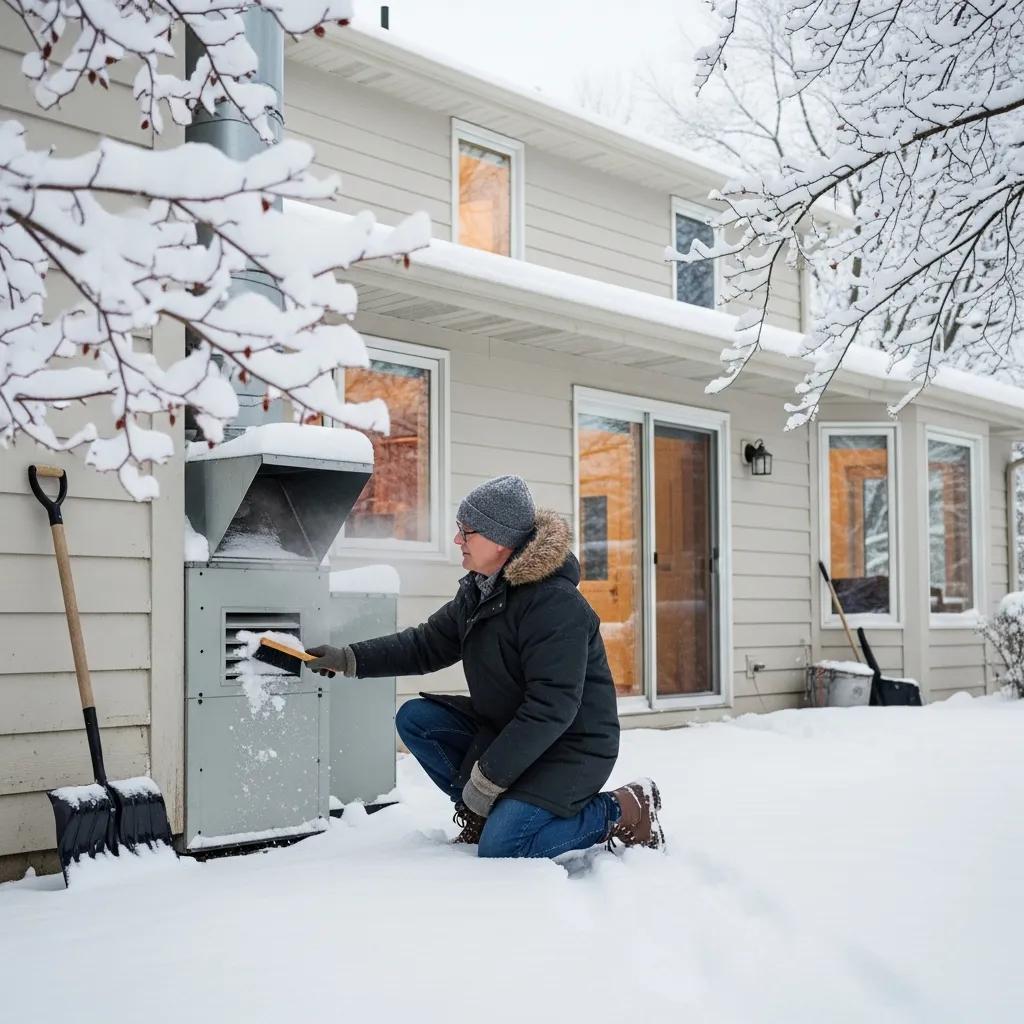
Before winter, check or replace filters, confirm the thermostat is working, and make sure vents and registers are clear. Schedule a professional inspection to catch any issues early and ensure reliable heating all season.
Other helpful pre-winter tasks include sealing obvious duct leaks with mastic or metal tape (not standard cloth duct tape), sealing drafty door and window gaps, and checking attic insulation to reduce heating load. These steps reduce the workload for your furnace and can extend periods between repairs.
How does Solon and Cleveland weather affect furnace care?
Local winters in Solon and Cleveland can be long and cold, so furnaces work hard. Regular maintenance helps equipment handle temperature swings and heavy use, reducing the risk of mid‑season failures.
Because homes in colder regions run heating systems more hours annually, components that might last longer in milder climates can wear sooner. For that reason, homeowners in sustained-cold areas may see greater value from earlier and slightly more frequent inspections, as well as proactive measures like reinforcing insulation and checking for heat loss in the home envelope.
What financing options make furnace service more affordable?
Financing can spread the cost of maintenance and repairs so you don’t have to choose between safety and your budget. Knowing your options makes planning easier.
Ask your service provider about payment plans and what they cover. Typical options include installment plans, service agreements with predictable annual fees, and sometimes promotional financing for larger repairs or replacements. Review terms carefully so you understand interest, payment schedules, and any fees.
How can payment plans help with furnace care?
Flexible payment plans let you spread costs over time, making it simpler to keep up with preventive service and necessary repairs. Many homeowners find this helps them stay on a regular maintenance schedule.
When choosing a payment option, consider the overall savings from avoiding a major emergency repair and the intangible value of uninterrupted comfort during extreme cold. Also check whether routine maintenance under a plan includes discounts on parts and labor for repairs.
What maintenance plans does Air Quality Control Heating and Cooling LLC offer?
We offer several maintenance plans designed to fit different needs. Typical plans include scheduled inspections, priority service, and discounts on repairs—so your system gets consistent care and you get peace of mind.
Maintenance plans often offer benefits like two seasonal visits (fall and spring), priority scheduling during peak weather, and a documented service record. If you prefer a plan, compare what each tier includes, such as the number of visits per year, whether parts are discounted, and whether priority emergency dispatch is part of the agreement.
Which additional services improve furnace performance and ductwork?
Beyond routine checks, several services boost comfort and system efficiency. Consider these options to get the most from your heating system.
Upgrades such as a programmable or smart thermostat can reduce unnecessary runtime by optimizing schedules and setpoints. Air cleaners, UV lights, and whole-home humidifiers or dehumidifiers improve comfort and indoor air quality while helping systems run more efficiently.
How does ductwork inspection support furnace maintenance?
Checking ducts for leaks, blockages, and cleanliness improves airflow and system efficiency. Regular duct inspections can uncover problems that waste energy and reduce indoor air quality.
Common duct issues include disconnected sections, poorly sealed joints, and blockages from debris or pest activity. Fixing these problems helps ensure even heating, reduces strain on the furnace, and can cut run times. Technicians may use visual inspection, smoke testing, or pressure checks to evaluate duct integrity and propose targeted repairs.
What are the benefits of full HVAC maintenance plans?
Comprehensive plans help keep energy use low, equipment life long, and indoor air healthy. Investing in year‑round maintenance reduces surprises and keeps your heating and cooling systems performing reliably.
A full plan that covers both heating and cooling creates continuity across seasons: technicians who service your system in spring will note cooling issues before summer, and a fall visit prepares the system for winter. That continuity helps uncover trends, such as components that gradually degrade, allowing replacement planning on your schedule rather than in an emergency.
| Maintenance Task | Frequency | Importance |
|---|---|---|
| Filter Replacement | Every 1-3 months | Ensures optimal airflow and efficiency |
| Professional Inspection | Annually | Prevents breakdowns and enhances performance |
| Ductwork Cleaning | Every 3-5 years | Improves air quality and system efficiency |
This table summarizes the key maintenance tasks and recommended timing—follow these guidelines to keep your furnace running efficiently and safely.
For dependable service and professional care, trust a local HVAC team. Contact us to book your annual furnace maintenance and make sure your home stays warm all winter.
Prioritizing these maintenance steps helps your heating system run safely and efficiently through the season. Use this checklist to reduce energy costs, avoid unexpected repairs, and enjoy a comfortable home.
Finally, when evaluating service providers, look for clear scope-of-work documents, a written estimate before repairs, and technicians who explain findings and recommended next steps. Good communication and transparent pricing help you get the most reliable service for your investment.
Schedule Your Furnace Maintenance Today
Don’t wait for a breakdown to disrupt your comfort. Reach out to Air Quality Control Heating and Cooling LLC now to schedule your professional furnace maintenance. Our expert technicians are ready to help you keep your home warm, safe, and energy-efficient all winter long. Contact us and secure your appointment today!