



Furnace Replacement Guide for Northeast Ohio Homes: Costs, Options & Installation
Swapping out a furnace is a major choice for homeowners across Northeast Ohio, especially with our cold winters. This guide gives clear, practical information about when to replace a furnace, the types of systems available, and what replacement typically costs. Knowing these basics helps you pick the right system to keep your home comfortable and lower energy waste. If you’re seeing higher bills or dealing with ongoing repairs, it may be time to consider a new unit. Below we walk through the common signs a furnace needs replacing, the best options for local homes, and what to expect during installation.
How Do You Know When It’s Time to Replace Your Furnace in Northeast Ohio?
Timing a replacement matters for comfort and cost. Several common warning signs show your furnace is aging or no longer working efficiently. Recognizing these indicators early can help homeowners avoid unexpected breakdowns and costly emergency repairs.
What Are the Key Signs Your Furnace Needs Replacement?
- Unusual Noises: New banging, clanking, or high-pitched squeals often point to mechanical wear that may justify replacing the unit. These sounds can indicate failing components, which, if left unaddressed, could lead to a complete system breakdown.
- Inconsistent Heating: If some rooms stay cold while others get warm, your furnace may be losing its ability to circulate heat evenly. This uneven heating can lead to discomfort in different areas of your home and suggests a decline in the system’s overall performance.
- Rising Energy Bills: A steady rise in heating costs without a change in usage usually means the system is losing efficiency. An older, less efficient furnace has to work harder to maintain the desired temperature, consuming more fuel and increasing your monthly expenses.
- Frequent Repairs: Calling for repairs more than once a year can add up quickly, making a replacement a more economical choice in the long run. If the cost of repairs approaches half the cost of a new unit, investing in a new, reliable system is often the smarter decision.
How Does Furnace Age Affect Replacement Decisions?
Age is a key factor in determining when to replace your furnace. Most furnaces last about 15–25 years, but this can vary based on maintenance and usage. As a unit approaches that range, repair costs and lower efficiency often make replacement the better long-term option, as newer models also use less fuel, which helps lower operating costs significantly.
What Types of Furnaces Are Best for Northeast Ohio Homes?
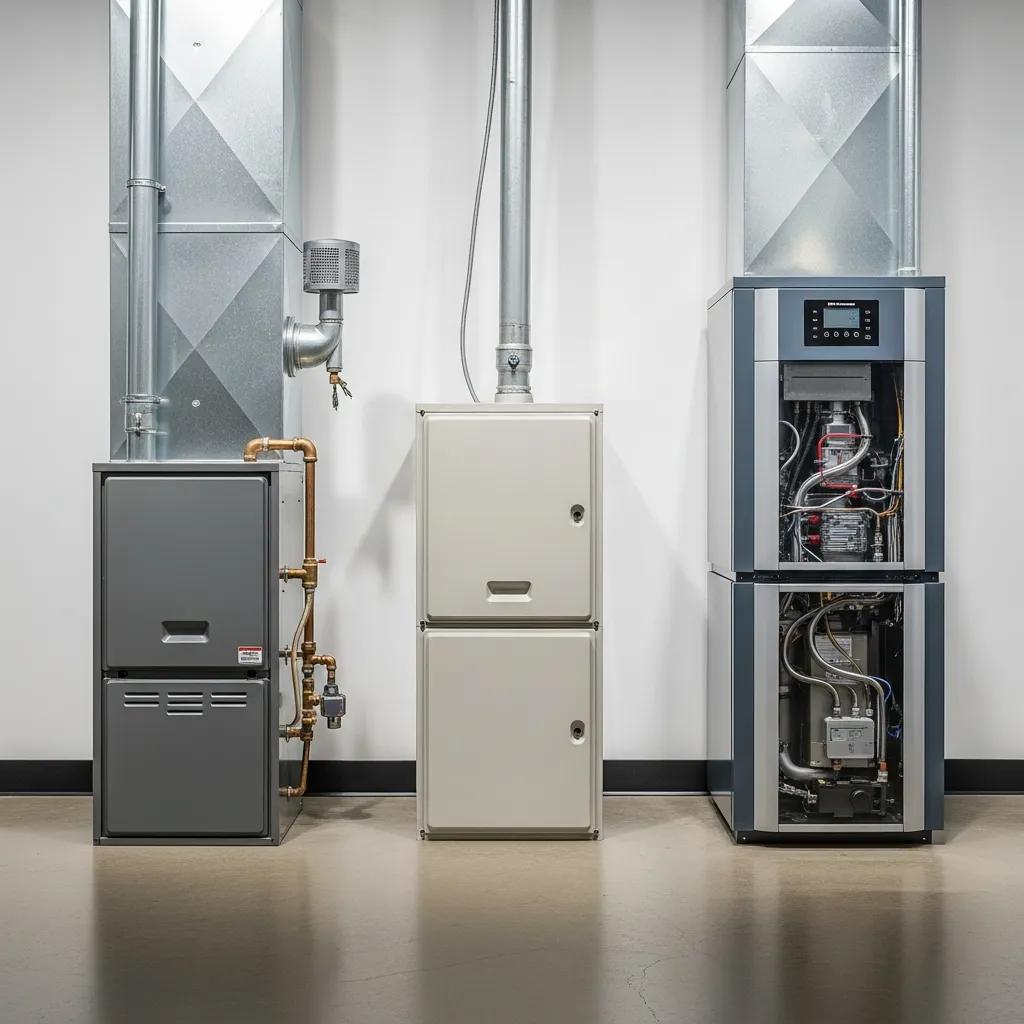
How Do Gas, Electric, and Modulating Furnaces Compare?
- Gas Furnaces: For our colder climate, gas furnaces are often the most cost-effective choice. High-efficiency gas models can reach AFUE ratings up to 98% and typically lower monthly heating bills.
- Electric Furnaces: Usually cheaper to install but often cost more to run in winter, since electricity prices can be higher than gas. They do convert almost all electricity into heat, making them reliable where gas isn’t available.
- Modulating Furnaces: These systems fine-tune their output to match your home’s needs, improving comfort and efficiency. Many modulating gas furnaces achieve AFUE ratings in the 90–98% range, providing consistent warmth with less energy waste.
This guide focuses on conventional furnaces, but other options may fit specific needs for homeowners in Northeast Ohio. For room-by-room heating or additions, mini-split systems give flexible, zoned climate control without major ductwork. These systems are highly efficient and can provide both heating and cooling, making them a versatile choice for targeted comfort.
Which Furnace Brands Offer the Best Efficiency and Reliability?
- Trane: Known for long-term durability and solid efficiency, making their units a reliable choice for harsh Northeast Ohio winters. Homeowners often choose Trane for their robust construction and consistent performance over many years.
- Carrier: Offers dependable models with strong energy ratings, providing excellent comfort and cost savings. Their systems are designed for quiet operation and effective heating, ensuring a cozy home environment.
- Lennox: Recognized for quiet operation and advanced features, often incorporating smart technology for optimal performance. These furnaces are built with innovation in mind, offering superior comfort control and energy efficiency.
If your home can’t accommodate ducts easily, ductless HVAC is a practical, efficient alternative, especially in older homes or new additions. These systems provide targeted heating and cooling without the need for extensive ductwork installation. They offer flexibility and energy savings, making them an attractive option for specific home layouts.
How Much Does Furnace Replacement Cost in Cleveland and Surrounding Areas?
Replacement costs for a new furnace can vary significantly across Cleveland and surrounding areas. Knowing the main cost drivers helps you budget effectively and compare estimates from different providers. It’s important to consider both the upfront investment and the long-term operating expenses when making your decision.
What Factors Influence the Total Cost of Furnace Replacement?
- Type of Furnace: Gas, electric, or modulating systems vary widely in equipment cost and long-term operating expense. The initial purchase price can differ substantially, and the fuel source will impact your monthly utility bills.
- Installation Complexity: If your ducts need work, or you require extra components like a new thermostat or ventilation upgrades, installation costs will rise. More complex installations often require additional labor and materials, increasing the overall project expense.
- Labor Costs: Professional installation by licensed technicians is essential for safety and warranty coverage, and labor rates differ by area. Investing in skilled professionals ensures your system is installed correctly and operates efficiently for years to come.
What Financing Options Are Available for Furnace Replacement?
- Low-Interest Financing: Many HVAC companies, including Air Quality Control HVAC, offer financing plans with low interest to spread costs over time. These options can make a significant investment more manageable by breaking it into affordable monthly payments.
- Payment Plans: Flexible payment plans make a new furnace more affordable by breaking the upfront cost into manageable payments. This allows homeowners to upgrade their heating system without a large immediate financial burden.
What Should You Expect During the Furnace Installation Process in Solon, OH?
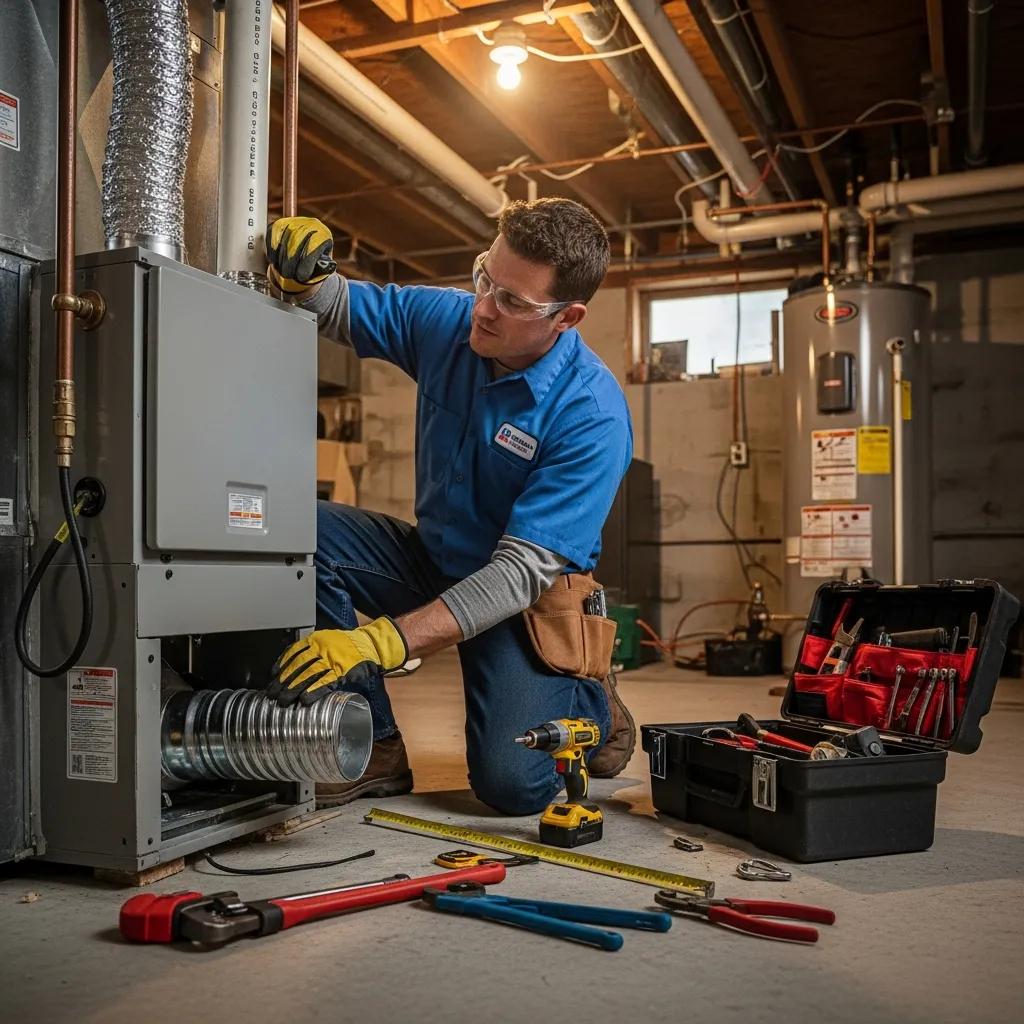
What Is the Typical Timeline for Professional Furnace Installation?
Most professional installations take one to two days, depending on complexity and any necessary system updates. Your HVAC team will start with a full assessment to make sure the new system is the right size and is installed safely. This thorough preparation ensures optimal performance and longevity for your new heating unit.
Why Is Licensed Installation Important for Furnace Performance?
- Safety Concerns: Proper installation reduces risks like gas leaks, carbon monoxide poisoning, and electrical hazards, ensuring the system runs safely. A licensed technician adheres to all local codes and safety standards, protecting your home and family.
- Warranty Implications: Many manufacturers require certified installation by a licensed professional to keep the warranty valid. Without proper installation, you could void your warranty, leaving you responsible for future repair costs.
To understand how reliability, costs, and warranties interact across HVAC systems, researchers analyze failure data, repair expenses, and warranty rules to guide better design and maintenance choices. This ongoing research helps improve the quality and longevity of heating systems. For homeowners, this means better products and more informed decisions when it comes to furnace replacement.
How Can You Maximize Your New Furnace’s Lifespan and Efficiency?
What Maintenance Practices Keep Your Furnace Running Smoothly?
- Annual Check-Ups: Schedule regular tune-ups with a qualified technician through an HVAC maintenance plan, such as those offered by Air Quality Control HVAC, to catch problems early. These annual inspections can prevent minor issues from escalating into major, costly repairs.
- Cleaning Routines: Keep the area around the furnace clean and clear to support good airflow and safer operation. Removing dust, debris, and obstructions ensures your furnace can breathe properly and function at its best.
How Does Regular Filter Replacement Impact Furnace Efficiency?
Changing filters regularly is one of the easiest ways to protect efficiency. A clean filter improves airflow, reduces strain on the system, and helps the furnace last longer. Check filters every 1–3 months depending on usage and replace as needed, especially during peak heating seasons to maintain optimal performance.
What Local Incentives and Rebates Can Help Offset Furnace Replacement Costs?
Which HVAC Rebates and Tax Credits Are Available to Northeast Ohio Homeowners?
Local utilities and government programs often offer rebates for energy-efficient furnaces. For example, FirstEnergy utilities (Ohio Edison, Cleveland Electric Illuminating, and Toledo Edison) may provide incentives for high-efficiency equipment. Federal tax credits can also apply for certain energy-saving systems. Check with your utility or the DSIRE database for the latest programs and eligibility rules, as these incentives can significantly reduce your overall investment.
How Can You Apply for Local Energy Efficiency Incentives?
- Documentation Needed: Programs usually require proof of purchase and installation, so keep receipts and equipment specs handy. This documentation verifies that your new furnace meets the eligibility criteria for the incentive.
- Submission Process: Many rebates accept online applications, which simplifies submitting required paperwork and speeds up the approval process. Be sure to follow all instructions carefully to ensure your application is processed smoothly.
| Furnace Type | Average Cost | Efficiency Rating (AFUE) |
|---|---|---|
| Gas Furnace | Several thousand dollars | 80% – 98% |
| Electric Furnace | A few thousand dollars | ~100% |
| Modulating Furnace | Higher end of several thousand dollars | 90% – 98% |
Knowing the signs that a furnace needs replacing, the types of systems available, and the costs involved helps homeowners in Northeast Ohio make confident, practical choices. Look into local incentives and financing to make the upgrade more affordable. Making an informed decision now can lead to significant savings and improved comfort for years to come.
Conclusion
Replacing your furnace is one of the most effective ways to improve winter comfort and lower energy use in Northeast Ohio. By recognizing replacement signs, comparing available systems, and factoring in installation and incentives, you can make a choice that fits your home and budget. If you’re unsure which option is best, talk with a licensed HVAC professional from Air Quality Control HVAC to get a tailored recommendation and an accurate estimate for your specific needs.